Scalp care IS face care
Your scalp and your face are not separate systems. They are structurally and functionally connected through fascia, muscles, ligaments, nerves, and blood vessels. What happens on your scalp directly affects how your face moves, drains, holds tension, and ages.
If you’re caring for your face but skipping your scalp, you’re only working with part of the picture.
Why the Scalp and Face Are One Continuous System
Fascia is a connective tissue network that wraps every muscle and structure in your body. It does not stop at your hairline. The fascial layers of the scalp flow directly into the forehead, temples, cheeks, jaw, and neck.
The galea aponeurotica, the fibrous sheet that covers the top of the skull, blends into the muscles of facial expression. This means chronic scalp tightness can subtly pull downward on the face, influence facial posture, and limit natural movement over time.
This is why people with scalp restriction often experience a heavier-looking forehead, deeper expression lines that don’t soften easily, jaw tension, headaches, and a general sense of facial compression.
Movement and Flow Matter More Than “Lifting”
Healthy tissue is mobile tissue.
When your scalp can glide, lift, and move freely, it supports circulation, lymphatic drainage, and healthy neuromuscular communication throughout the face. When movement is restricted, fluid stagnates, muscles become less responsive, and the face can look dull, puffy, or tense.
Healthy scalp movement supports healthy facial movement.
Healthy facial movement supports brighter skin, softer expressions, and more resilient tissue as you age.
This is what aging well actually looks like. Not frozen. Not forced. Just functional, fluid, and alive.
Scalp Tension Shapes Facial Posture
Facial posture is influenced from above, not just below.
A tight, dehydrated, or immobile scalp limits the face’s ability to rebound and rest naturally. Over time, this can contribute to a compressed or “held” appearance. Gentle, consistent scalp work helps rehydrate the fascia, restore elasticity, and allow the face to soften rather than brace.
Scalp Care Also Supports Hair Health
Regular scalp massage has been shown to increase blood flow to the scalp, improve nutrient delivery to hair follicles, and reduce mechanical tension that can impair follicle function. Over time, this can support thicker, healthier hair growth.
Healthy scalp tissue supports healthy hair and healthy facial tissue at the same time.
What Scalp Care Should Actually Look Like
Scalp care is not about aggressive scrubbing or just brushing your hair.
True scalp care means moving the tissue itself.
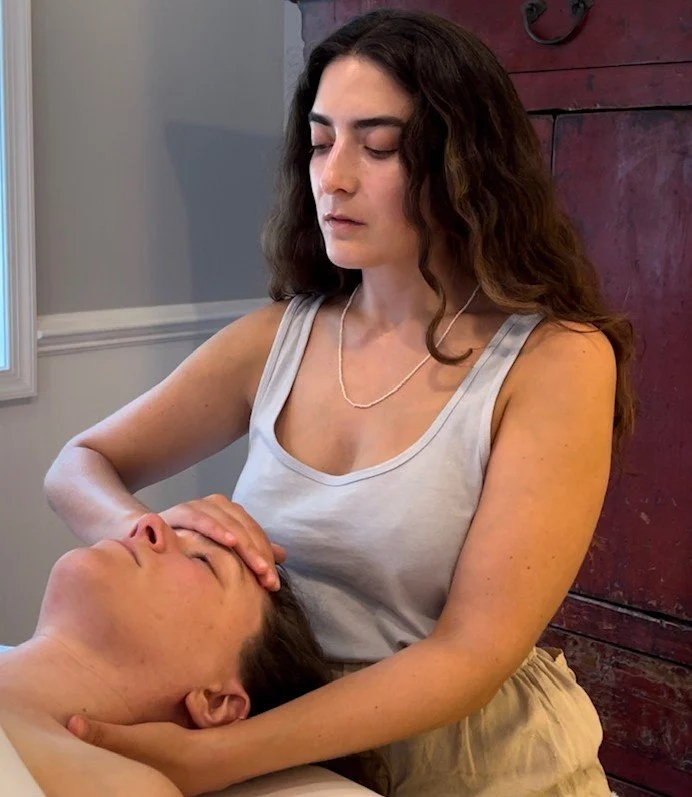
Using your fingertips or palms, gently lift and move the scalp in slow, small motions. Focus on softness and mobility, especially around the temples, crown, and base of the skull. A few mindful minutes per day can create noticeable changes in how your face feels and looks.
You should feel warmth, ease, and increased circulation. Not soreness.
Want Personalized Support?
If you want hands-on support that addresses your scalp, face, neck, and nervous system as one connected system, I offer personalized sessions designed to restore flow, release tension patterns, and support visible and felt shifts.
Book a session with me to experience how integrated scalp and facial care can change the way your face moves, rests, and shows up.
Your face begins at your scalp!